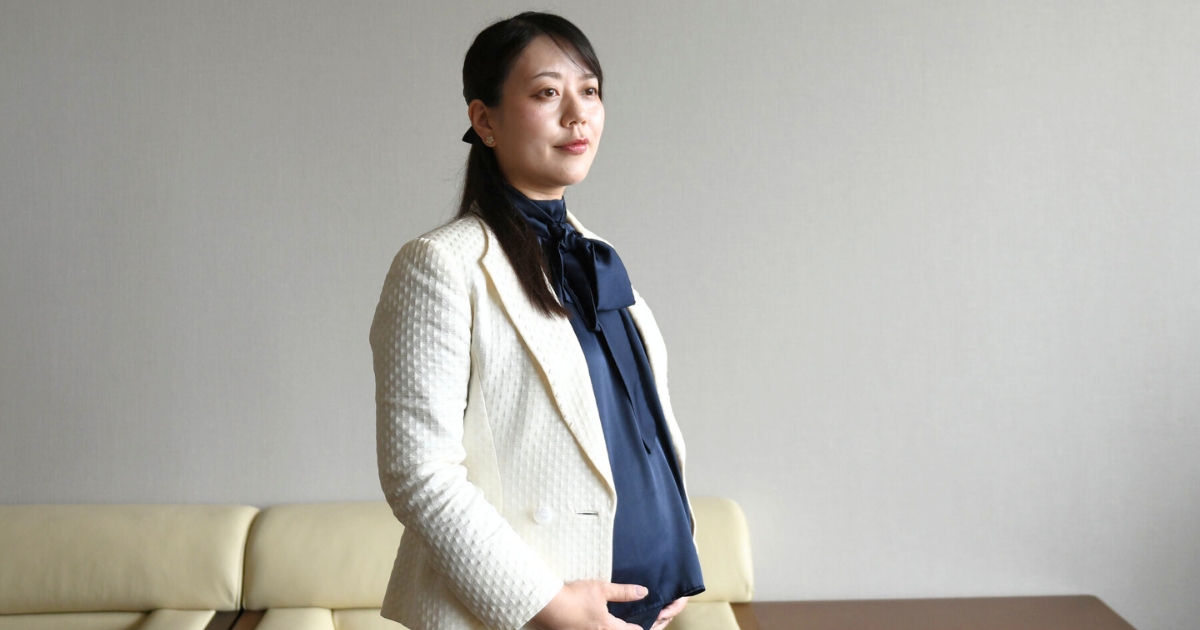
When Shoko Kawata announced she would take maternity leave, she wasn’t stepping down or walking away from public office or her duty as a mayor. She was sharing that she was expecting her first child and would take around two months off before giving birth and another two months after, while continuing to serve as the mayor of Yawata, a city in Japan, with her deputy overseeing the city’s day to day work.
Instead of congratulations, her announcement sparked a national debate.
At 35, Kawata has already broken barriers. When she was elected in 2023, she became both Yawata’s first woman mayor and the youngest woman ever elected mayor in Japan. Now, she’s making history again as the country’s first sitting mayor to take maternity leave, according to The New York Times.
While many people welcomed the news, others questioned whether someone in public office should take maternity leave at all.
When motherhood becomes a political debate
One of the loudest critics was retired general and nationalist politician Toshio Tamogami, who argued that mayors are “irreplaceable” and said women who plan to have children should think twice before running for office.
It didn’t take long for the conversation to become about something much bigger than maternity leave. Suddenly, people were debating whether women can really have both a leadership role and a family.
It’s a conversation many women continue to face, whether they’re in politics, corporate offices or workplaces across the world.
A much bigger issue than one mayor
Kawata’s experience has also brought renewed attention to matahara, Japan’s term for maternity harassment. The word refers to discrimination women face because they are pregnant, take maternity leave or are raising children.
Many women worry that taking maternity leave could affect promotions, career opportunities or simply change how they’re viewed at work. Although maternity leave is protected by law, social attitudes don’t always keep pace.
Kawata herself said the reaction made her realise just how much discrimination still exists.
“Systems can be changed, but people cannot,” she said. “I cannot become a man.”
The numbers tell their own story
The backlash also shines a light on how few women hold political office in Japan.
Despite electing its first woman prime minister last year, women still make up less than 4% of Japan’s 1,740 municipal leaders. Local politics remains overwhelmingly male, making women leaders both rare and, at times, subject to greater scrutiny.
Supporters believe Kawata’s decision could encourage more women to consider public office without feeling like they have to put family plans on hold.
Why this story matters
All Kawata did was announce she was taking maternity leave. Somehow, that turned into a national debate.
Her story isn’t just about one mayor or one city in Japan. It’s about the expectations placed on women in leadership and the questions they’re still asked that men rarely are.
Who gets to lead? Who gets to become a parent? And why are women still expected to justify doing both?
For Kawata, taking maternity leave was a personal decision. The reaction to it has become a national conversation, one that reaches far beyond Japan and reflects challenges women continue to face in leadership around the world.