
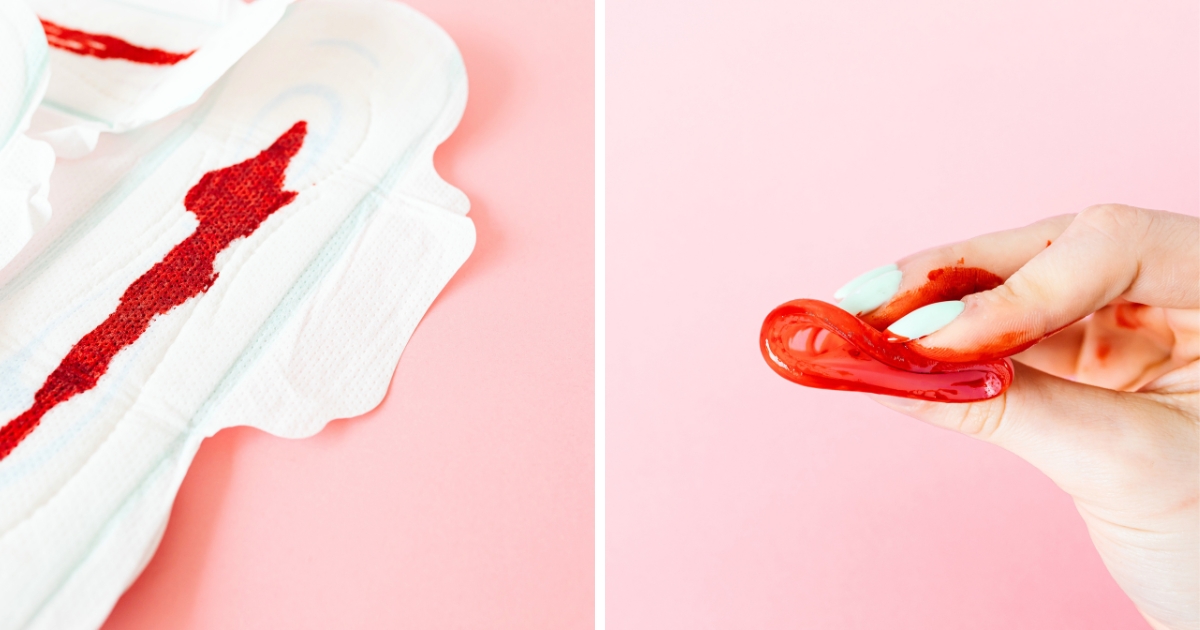
For decades, period products were typically tested using saline solution rather than blood. But periods aren’t just blood. Menstrual fluid also contains tissue, mucus and clots, all of which can affect how a product absorbs fluid.
When researchers tested products using blood instead, they found that absorbency could differ from traditional testing methods. For products used to measure and manage menstrual bleeding, this raises important questions about how absorbency has been understood.
In the study, researchers tested pads, tampons, period underwear, menstrual cups and menstrual discs. The results showed clear differences between products. Some held much more blood than expected, while others held less.
Menstrual discs had the highest capacity, with some holding several times more blood than many tampons. This means different products can give very different pictures of how much someone is actually bleeding.
Doctors often use product usage to help assess heavy periods. Questions such as how often someone changes their pad or how many tampons they use in a day can help identify abnormal bleeding. But if products hold very different amounts, measuring blood loss becomes more complicated.
That matters because heavy periods can sometimes be a sign of underlying health conditions. If periods affect half of the global population, why did it take so long to ask this question?
For decades, medical research has often treated male bodies as the default, while women’s health issues received less funding, less research and less attention.
This study has become a reminder that even the most common experiences in women’s lives can be overlooked. It does not suggest that period products are unsafe or ineffective. Instead, it highlights how much remains unknown about menstrual health, and how easily questions affecting millions can go unexamined for decades.
That is why researchers and advocates continue to push for greater investment in women’s health research.