
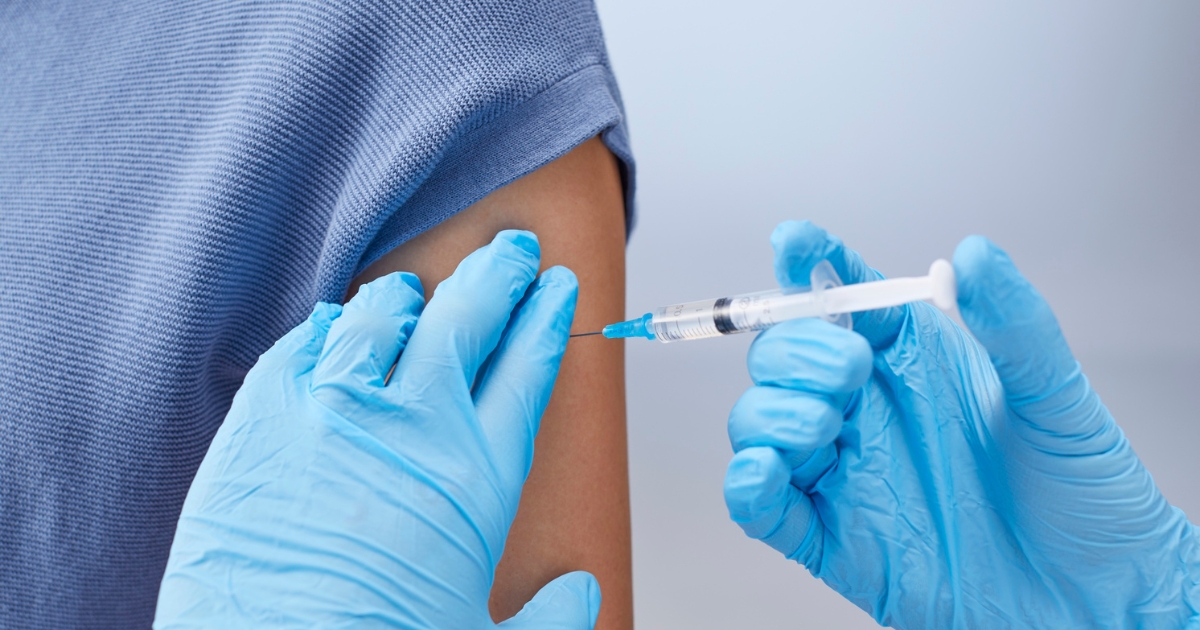
The study, published in The Lancet and led by researchers at Queen Mary University of London, found that no women aged 20 to 24 died from cervical cancer in England between 2020 and 2024. Without HPV vaccination, researchers estimate around 23 deaths would have been expected during that period.
Since the HPV vaccine was introduced in 2008, it has already prevented nearly 200 cervical cancer deaths in England.
How HPV Vaccine Is Protecting Women’s Health
Human papillomavirus (HPV) is a common virus spread through close skin-to-skin contact and is responsible for 99% of cervical cancer cases.
Although most HPV infections clear on their own, some can silently develop into cancer years later.
The vaccine targets the strains most likely to cause cervical cancer, helping prevent the disease before it starts.
Researchers Say This Is Only The Beginning
Scientists say the decline in deaths is likely just the start.
As vaccinated generations grow older, thousands more lives could be saved and cervical cancer could become increasingly rare.
The UK government has pledged to eliminate cervical cancer as a public health problem by 2040, with experts saying high vaccination rates and regular screening will be key to achieving that goal.
Falling Vaccination Rates Are Raising Concerns
The World Health Organization recommends that 90% of girls should be vaccinated by age 15 to eliminate cervical cancer.
However, only 76% of girls in England had received the vaccine by age 15 in 2024-25.
Researchers warn that lower uptake could eventually lead to preventable deaths rising again.
Japan Shows How Quickly Progress Can Unravel
Experts are pointing to Japan as a cautionary example.
After public fears and misinformation spread in 2013, HPV vaccination rates fell from around 70% to below 1% for several years.
Researchers now predict thousands of additional cervical cancer cases and deaths in the future as a result.
Health experts say maintaining trust in vaccines is essential to preventing avoidable cancers.