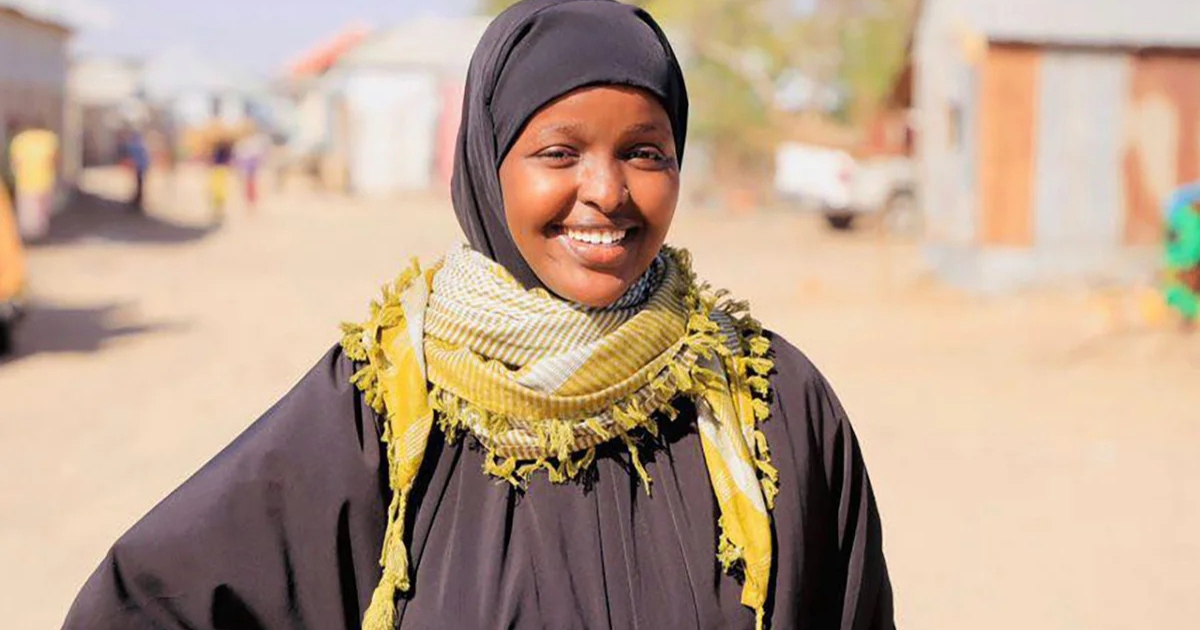
A 27-year-old Somali rickshaw driver and nursing graduate, Sadia Moalim Ali, has been sentenced to three years in prison after being convicted over critical comments she made about the Somali government on social media.
Ali was found guilty of insulting government institutions following posts on Facebook and TikTok in which she spoke about rising fuel prices, youth unemployment, alleged corruption, nepotism and forced evictions in Somalia.
She was initially charged with insulting state institutions and incitement to commit a crime, but was ultimately convicted only on the charge of insulting government institutions. Her legal team has said they intend to appeal, according to The Guardian.
Ali, who is also a young mother and the main provider for her family, has been in custody since April. In earlier interviews from detention, she said that she was subjected to mistreatment, including being beaten, held in solitary confinement, deprived of food and threatened with rape while in police custody.
The sentencing has drawn strong criticism from former Somali officials and human rights organizations. Former president Sharif Sheikh Ahmed and former prime minister Hassan Ali Khaire both condemned the ruling, calling it unjust and politically motivated. The Coalition of Somali Human Rights Defenders also called for her immediate release, stating that the case reflects a broader pattern of restrictions on freedom of expression in the country.
Human rights groups have further argued that Ali’s case highlights the disproportionate risks faced by women who speak out on social and political issues in Somalia, including harassment, arbitrary arrest, and judicial pressure
Observers say the case is part of a wider trend of increasing pressure on journalists, activists and citizens who express dissent online. Since 2022, Somali authorities have been accused by rights groups of escalating crackdowns on freedom of expression through arrests, intimidation and legal action against critics.
Ali’s lawyer has rejected the ruling and confirmed that an appeal will be filed, while rights organizations continue to call for her release and an end to what they describe as the criminalization of peaceful speech.