It has been 50 years since a woman last started a Formula 1 world championship race.
Lella Lombardi was on the grid for the 1976 Austrian Grand Prix, marking the last time a woman started an F1 race. Five decades later, more young women are entering the sport’s junior categories, while new programmes are working to help them progress. But the top level of motorsport remains without a woman driver.
Alexia Danielsson, a 17-year-old Swedish driver competing in the Central European F4 series, is among those hoping to change that.
Danielsson first drove a Formula 1 car at 14, when she tested a modified 2007 Williams owned by a family friend. She began karting at six and moved into cars at 13.
“I don’t think anything is impossible, you just have to really go for it,” Danielsson told Reuters.
She is currently 26th out of 49 drivers in the Central European F4 standings, but her goal is to keep moving up the racing ladder.
The First Woman To Race In F1
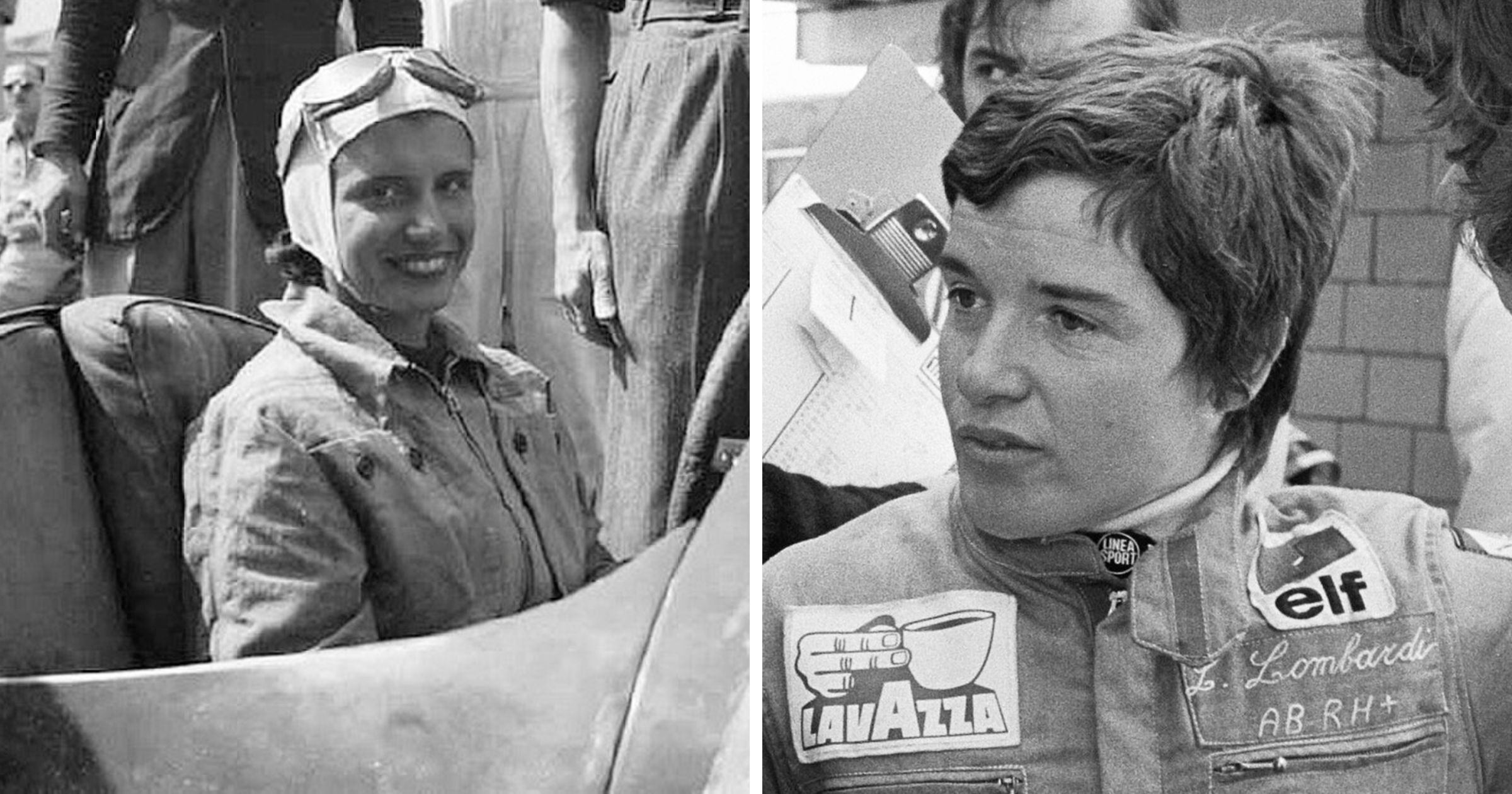
Italy’s Maria Teresa de Filippis became the first woman to start a Formula 1 world championship race in 1958.
She made three F1 starts and remains one of only two women to have started a world championship race.
Lella Lombardi became the second in 1974.
Lombardi made 12 race starts during her F1 career, which lasted from 1974 to 1976. Her final start came at the 1976 Austrian Grand Prix, where she drove a year-old Brabham for RAM Racing.
She qualified 24th on a 25-car grid and finished 12th, four laps behind race winner John Watson. In 1975, Lombardi became the first and only woman to score points in an F1 world championship race.
She finished sixth at the Spanish Grand Prix at Montjuïc Park and was awarded half a point because the race was stopped before reaching the distance required for full points.
Later that season, she finished seventh at the German Grand Prix at the Nürburgring.
Few Women Have Reached The Top Since
Lombardi remains the last woman to start an F1 race, but she was not the last woman to attempt to reach the sport’s top level.
Divina Galica tried to qualify for races in the 1970s but never made it onto the grid. Giovanna Amati made the last attempt to qualify for a grand prix in 1992. Driving for Brabham, she failed to qualify in four attempts.
The only other woman to participate in an F1 grand prix weekend since then was Susie Wolff, who made four practice appearances for Williams more than a decade ago.
The long gap reflects how difficult the route to Formula 1 can be, particularly when so few women have progressed through the junior categories to reach the level required for an F1 seat.
Building A Path To Formula 1
There are now more efforts to identify and develop women drivers before they reach the highest levels of the sport.
More Than Equal, a programme supporting women drivers on the path to F1, was founded in 2022 by former F1 racer David Coulthard and Czech billionaire Karel Komárek.
Its original goal was to identify, develop and support the first woman to become an F1 world champion.
The organisation does not operate a racing team or a racing series. Instead, it focuses on driver development and works with the wider motorsport system.
Its first group of six drivers was selected from 1,000 applicants. The second intake of eight came from 1,500 applicants.
More Than Equal has also created FutureLap, a platform that analyses data from karting and junior single-seater championships to identify emerging talent. The organisation says this can help bring attention to drivers who might otherwise be overlooked.
It has also launched a study with the University of Portsmouth to improve understanding of women’s ergonomics in Formula 4.
F1 Academy Is Creating More Opportunities
Another major development has been the creation of F1 Academy, the all-women series backed by Formula 1.
The championship effectively replaced the former W Series and runs races during selected F1 grand prix weekends, giving its drivers greater visibility within the sport.
Abbi Pulling won F1 Academy in 2024 and has also won a British F4 race. She has since competed successfully in the GB3 championship.
Doriane Pin, the previous year’s F1 Academy champion, has also moved closer to the top level. She has tested a Mercedes F1 car.
More Than Equal chief executive Tom Stanton said there are now more women coming through the sport and that their performances are improving.
As more women consistently compete near the front of the field, he said, more people are likely to notice them.
The Challenge Goes Beyond Finding One Driver
Getting a woman onto the F1 grid will require more than finding one talented driver.
More Than Equal says teams, driver development programmes and other support systems will need to work together to help women progress through the sport.
Stanton described the task as one that will require different parts of the motorsport system to work together.
The organisation is also trying to improve how emerging talent is identified. Stanton pointed out that junior racing results are not always marked by gender, which can make it harder to identify promising women drivers.
The growing number of women in junior racing is therefore important not only because it creates more competition, but also because it gives teams and development programmes more opportunities to find drivers who could progress to the highest levels.
When Will The Next Woman Reach F1?
F1 CEO Stefano Domenicali said in 2024 that, realistically, he did not expect a woman to reach the F1 grid within the next five years unless there was an extraordinary breakthrough.
That means the 50-year gap could continue.
For now, the history remains unchanged. Maria Teresa de Filippis was the first woman to start an F1 world championship race. Lella Lombardi was the second, the first and only woman to score points, and the last woman to start one.
Today, a new generation is trying to follow the path that they opened.
For drivers such as Alexia Danielsson, the goal is to make it through the junior categories, reach Formula 1 and finally put a woman back on the starting grid.