
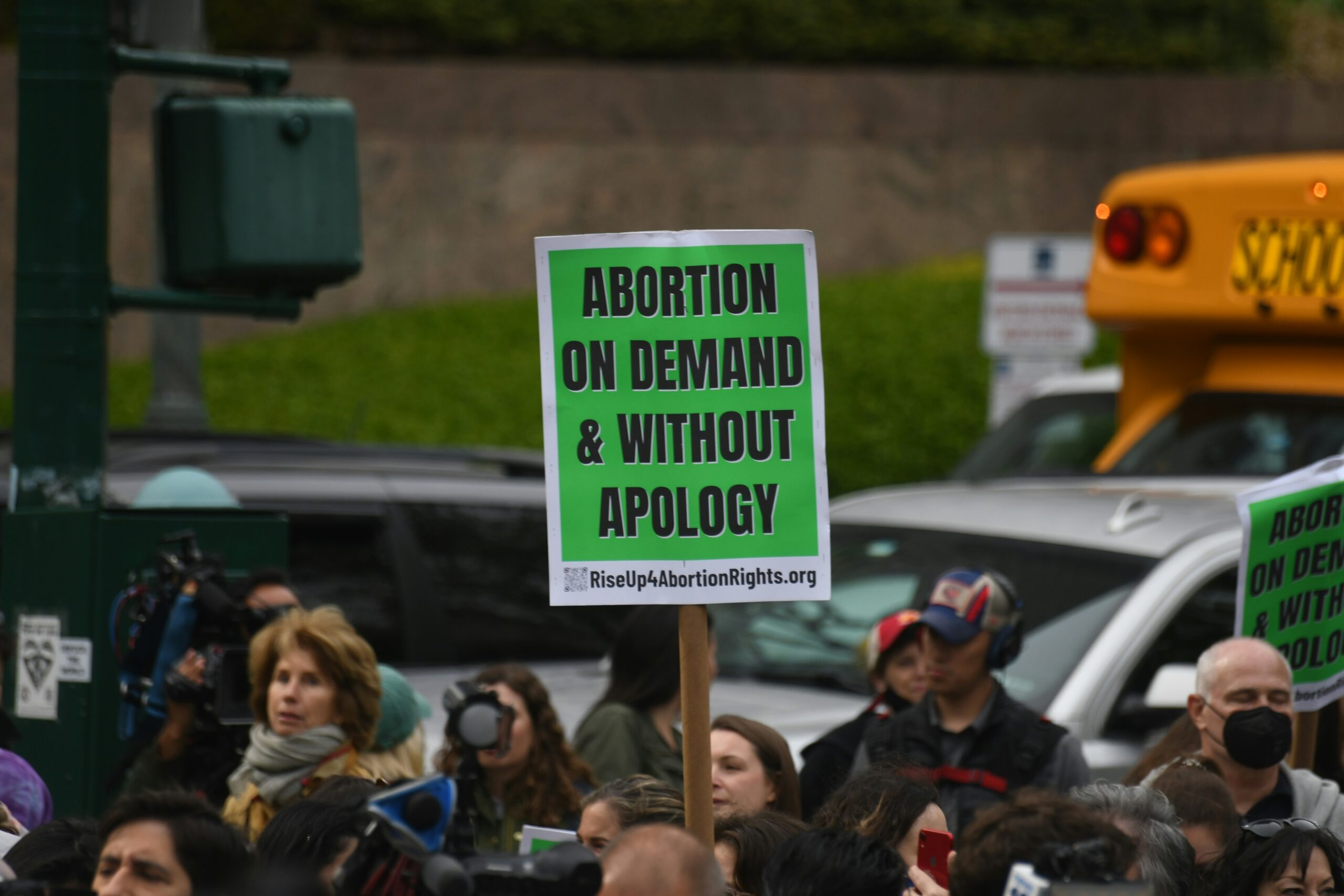
Photo by MorningStar
In 2025, the battle over women’s reproductive rights has become a defining human rights crisis, with policies around the world increasingly threatening women’s autonomy, health, and freedom.
From the United States to Poland, and Iran to India, governments are drawing new lines around what women can do with their own bodies, lines that often reflect political control more than public health or compassion. Just three years after the U.S. Supreme Court overturned Roe v. Wade, at least 21 American states now heavily restrict or ban abortion. For millions of women, safe, legal abortions have become geographically or financially inaccessible. This has forced many to carry pregnancies against their will or seek unsafe, underground alternatives.
Meanwhile, in countries like Poland, one of the strictest abortion laws in Europe has been linked to preventable deaths. In 2021, 30-year-old Izabela died after doctors delayed intervention due to fear of violating the abortion ban. Her case sparked national outrage, but laws remain unchanged. Similar stories are emerging in Latin America, where women have been criminalized or jailed for miscarriages and treated not as victims of grief, but as suspects of crime.
In Iran and Afghanistan, reproductive oppression takes a different form: total control over women’s bodies and lives. Access to contraception is limited, sex education is restricted, and pregnancy is often treated as a duty, not a choice. Women in these regions not only lose the right to choose when or whether to have children, but often the right to consent freely to sex or marriage in the first place.
These injustices are not isolated. They are rooted in centuries of patriarchy, fueled by political power plays, and often upheld by religious extremism. The global rollback on reproductive rights is a loud, brutal reminder that women’s bodies are still seen as battlegrounds where culture, control, and politics collide.
But around the world, women are pushing back. From Argentina’s “Green Wave” that won legal abortion in 2020, to mass protests in Texas, Warsaw, and Kabul, women are reclaiming the right to decide their futures.
 Photo by MorningStar
Reproductive freedom is not just a medical issue, it’s about dignity, choice, and justice. Denying a woman control over her body is denying her humanity. The world must listen to her heartbeat, not just when she is pregnant, but when she dares to choose.
Conclusion: Women’s reproductive rights remain at peril worldwide fueling preventable suffering even as activists secure new legal gains. Behind every statistic is a human story; denying bodily autonomy is denying dignity.